

Modern industrial systems require precise motor operation while maintaining strict safety standards for operators and equipment. As automated machinery becomes more complex, technicians must consider how protective functions are integrated into drive systems without affecting normal production performance. The configuration of safety features such as Safe Torque Off (STO) has become an important part of commissioning a speed control inverter, helping prevent unexpected motor movement during emergency situations or maintenance procedures.
For engineers and technicians, understanding where and how STO functions are configured can improve both system reliability and workplace safety. A properly integrated STO inverter allows the drive to interrupt torque generation quickly while maintaining efficient motor control functions. Advanced solutions such as FRECON’s FR20 Series General Vector Inverter combine safety functions with high-performance control capabilities, supporting industrial applications that require both protection and operational stability.
Understanding the Role of STO in Industrial Inverter Systems
Safe Torque Off is a safety function designed to prevent a motor from producing torque without requiring the complete removal of power from the inverter. Instead of disconnecting the entire electrical supply, the STO function interrupts the drive’s ability to generate torque, helping reduce risks during equipment access, inspection, or emergency shutdown situations.
For technicians, STO configuration is usually handled during the installation and commissioning stage of the inverter. The safety terminals, control parameters, and external safety circuits must be connected and tested according to the equipment design. This process ensures that the motor responds correctly when a safety command is activated.
A modern STO inverter is especially useful in automated production environments where frequent interaction between operators and machinery occurs. Applications such as packaging systems, material handling equipment, and manufacturing lines often require quick safety responses while keeping restart procedures efficient.
Where Technicians Configure STO Functions in Drive Systems
Technicians typically configure STO functions through the inverter’s dedicated safety input terminals and control settings. During installation, the STO wiring is connected to external safety devices, such as emergency stop buttons, safety relays, or safety controllers. When a safety signal is triggered, the inverter immediately stops torque transmission to the motor.
The configuration location depends on the inverter structure and manufacturer design. In most industrial drives, technicians work inside the control cabinet where the inverter is installed. They verify terminal connections, set related parameters, and perform functional tests before the machine enters operation.
For a speed control inverter, correct STO setup is essential because motor speed regulation and safety protection must operate together. The inverter needs to maintain normal performance during production while responding immediately when safety conditions require torque interruption.
Integrating Safety and Performance in a Smart Electric Drive
Industrial users increasingly expect drive systems to provide both intelligent control and reliable protection. A smart electric drive combines advanced motor management functions with features that simplify operation, maintenance, and safety integration.
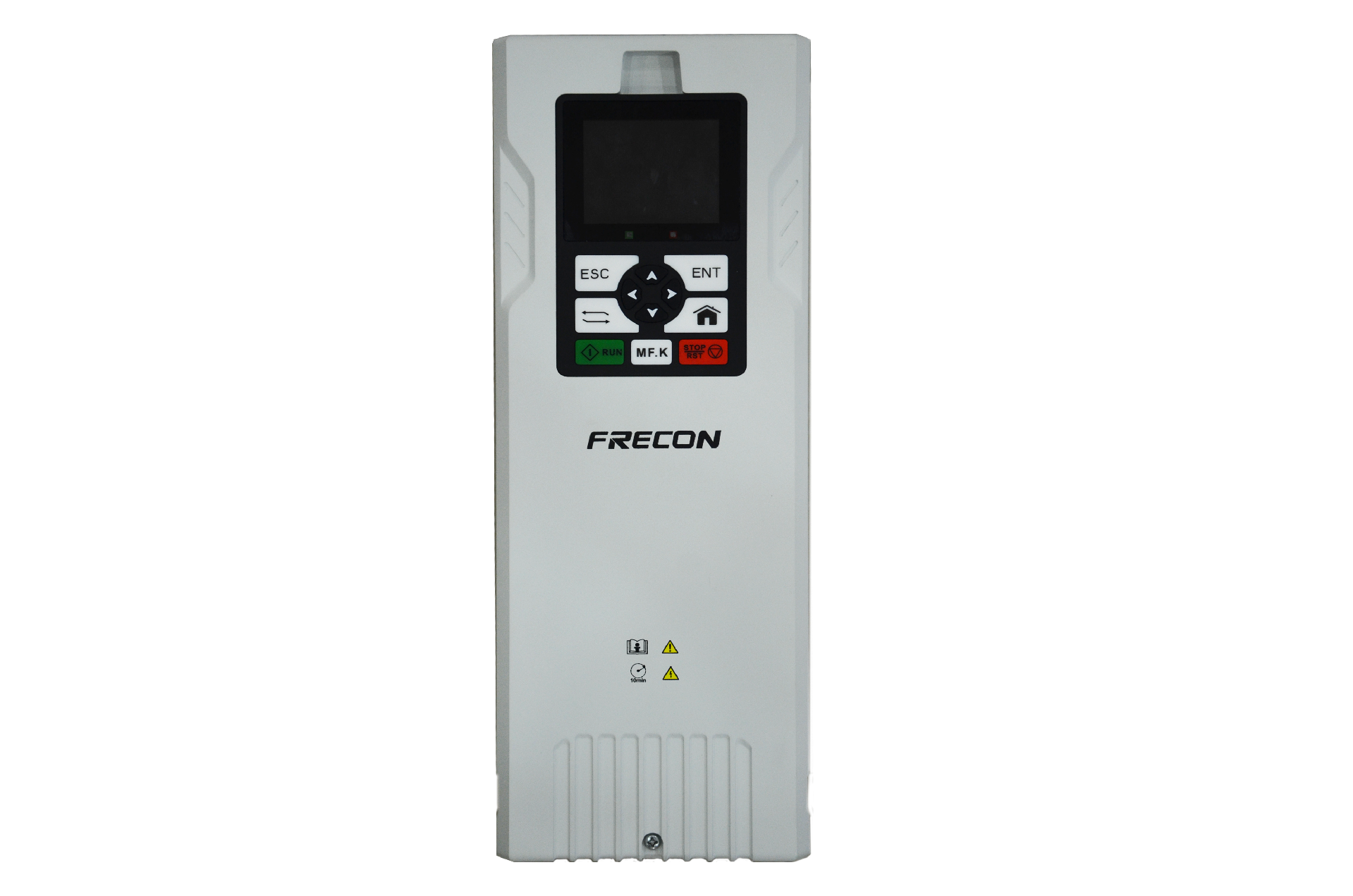
The FRECON FR20 Series General Vector Inverter is designed for applications requiring high performance, quality, and power density. The series includes a built-in STO function that stops torque transmission immediately in hazardous situations, helping prevent accidental motor start and supporting industrial safety requirements.
Beyond safety, the FR20 Series provides precise motor control, stable output, and efficient operation across various industrial environments. Its vector control technology allows technicians to achieve accurate speed and torque management, making it suitable for equipment that requires consistent performance under changing loads.
By combining safety functions with intelligent control features, a smart electric drive can help manufacturers reduce system complexity. Instead of using separate protective components in some applications, integrated inverter safety functions can support cleaner cabinet layouts and more efficient system designs.
Commissioning Steps for STO Configuration
Proper commissioning is necessary to ensure the STO function works as intended. Technicians generally begin by checking the wiring between the inverter and external safety devices. Incorrect connections can prevent the safety function from operating properly or may cause unexpected system behavior.
After wiring verification, technicians test STO activation under controlled conditions. They confirm that the inverter removes torque output when the safety signal is received and that the motor does not restart unexpectedly after the safety condition is cleared.
Parameter checks are another important part of the process. Depending on the inverter model, technicians may need to review control settings related to safety inputs, restart behavior, and fault responses. These procedures help ensure the inverter matches the requirements of the complete machine system.
For equipment manufacturers, selecting a reliable STO inverter can simplify commissioning and improve long-term maintenance efficiency. A well-designed drive system allows technicians to complete safety checks more effectively while reducing potential downtime.
Supporting Safer Industrial Applications with Advanced Inverter Technology
As factories continue adopting automated equipment, inverter technology must address both productivity and safety requirements. A speed control inverter is no longer evaluated only by its ability to regulate motor speed. Engineers now consider factors such as safety functions, integration flexibility, and operational reliability.
The FR20 Series General Vector Inverter from FRECON demonstrates how modern drives can combine high-performance operation with built-in protection features. With its standard STO function, the inverter supports safer machine operation while maintaining accurate motor control performance.
For technicians and system integrators, choosing an inverter with integrated safety functions can simplify electrical design and improve equipment reliability. The combination of STO protection, precise control, and efficient operation allows industrial users to develop more secure automation systems.
Building Safer Control Systems Through Smarter Configuration
Configuring STO functions correctly is a critical step in creating reliable industrial drive systems. Technicians usually complete this process through safety terminals, control parameters, and commissioning tests inside the inverter installation environment. When properly integrated, STO technology provides an effective method for preventing unintended motor torque during hazardous situations.
With advanced solutions such as FRECON’s FR20 Series General Vector Inverter, manufacturers can achieve a balance between safety, performance, and system efficiency. By integrating STO protection into a high-performance smart electric drive, industrial users can develop safer and more dependable automation equipment while improving overall operational control.
